


Understanding Wastewater and Emissions at Data Centers
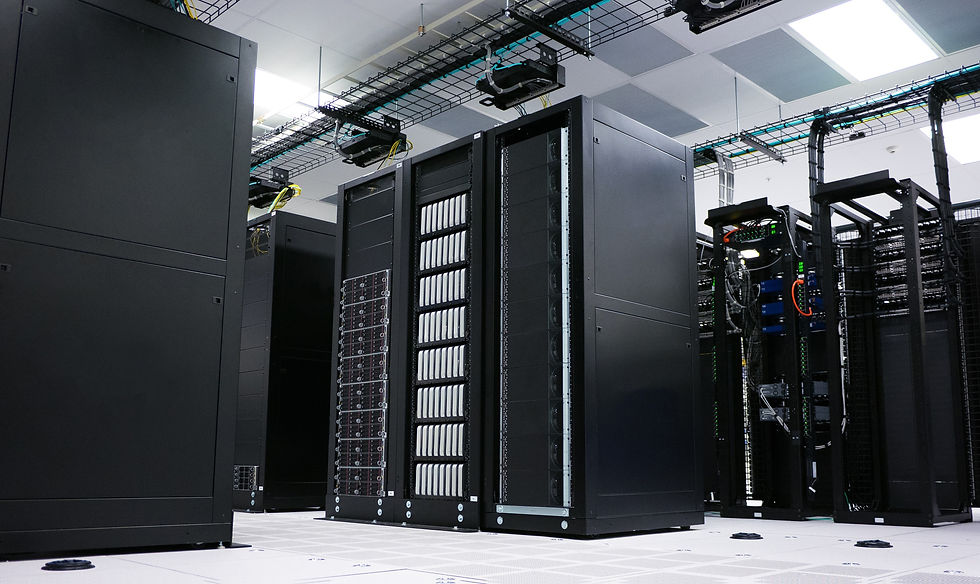
Microsoft has recently started moving dirt on their Cleveland Road site in eastern St. Joseph County in preparation for development of their newest data center campus. In May, they held a public open house to help the community better understand data centers and the proposed project. The meeting was well attended and included a dozen stations where residents could talk directly with Microsoft officials about their questions and concerns.
I got a chance to attend and saw some great conversations between the company and residents. Some liked the project, some did not, and some just wanted to understand more. These projects can be complex, they’re still relatively new, and there is a lot of information out there about these types of developments. Some of its accurate, some of it does not reflect current data center developments. Twice this year I’ve used this space to try to help share some additional information, one focused on the opportunity for our community, one focused on the water and sewer.
As our region continues to explore opportunities around data‑center development, one theme keeps coming up in conversations with residents, business leaders, and local officials: what happens to the wastewater and emissions from these facilities. These are fair questions. Data centers are large, complex pieces of infrastructure, and like any major development, they interact with our environment in important ways. My goal in this column is to help demystify those impacts and explain how they’re regulated, especially here in Indiana.
Let’s start with wastewater, because it’s often the least understood part of data‑center operations. Data centers use water primarily for cooling, though the amount varies depending on the technology. Some facilities use air‑based cooling and very little water. Others use evaporative systems that require more.
Regardless of the method, any water that leaves the site—whether it’s cooling blowdown, sanitary wastewater, or stormwater—must be handled under strict regulatory oversight. In Indiana, that oversight begins with the Indiana Department of Environmental Management (IDEM) and its permitting programs.
Most data centers discharge their wastewater into a municipal sewer system, where it is treated just like wastewater from homes and businesses. AWS will discharge into the City of South Bend system, Microsoft into the City of Mishawaka system. In those cases, the local utility sets the rules, monitors quality, and ensures the treatment plant can handle the additional load.
Local governments also play a role. Zoning approvals require stormwater‑management plans, erosion‑control measures, and infrastructure upgrades. In short, wastewater from a data center doesn’t just “go somewhere”—it moves through a well‑established regulatory framework designed to protect public health and the environment.
When people hear “emissions,” they often picture smokestacks. Data centers don’t have those. The primary source of direct emissions at a data center comes from backup diesel generators, which are used only during power outages or periodic testing. These generators are regulated under the Clean Air Act, and IDEM issues air‑quality permits that limit how many hours they can run and what pollution‑control technologies they must use.
The larger share of a data center’s environmental footprint comes from indirect emissions—the emissions associated with the electricity the facility consumes. Indiana does not regulate these emissions at the facility level. Instead, they are governed by state utility policy and the energy mix on the grid. As utilities add more renewable energy, the indirect emissions from all large electricity users, including data centers, decrease.
Local governments again play an important role. Zoning boards can require noise controls, generator placement standards, and emergency‑response planning. St. Joseph County recently passed a new noise ordinance for this purpose. These local tools help ensure that data centers fit well within the surrounding community.
As with any major development, data centers come with questions. Wastewater and emissions are two of the most common, and both are governed by long‑standing state and federal regulations. Indiana may not have data‑center‑specific laws, but it does have a robust framework that ensures wastewater is treated properly and emissions are controlled.


